That Song in the Elevator Scene? Someone Got Paid to Break Your Heart
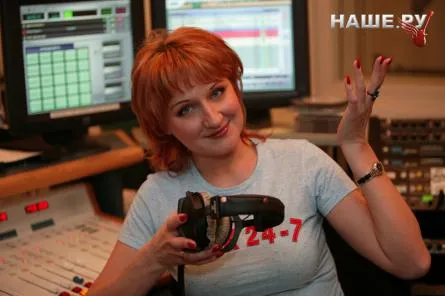
Photo: Alexander Plushev, CC BY 2.0, via Wikimedia Commons
Here's a fun party trick: next time someone tells you their favorite show changed their life, ask them about the music. Nine times out of ten, they can hum the exact moment. The song playing when the couple finally kissed. The track that rolled over the credits after the twist. That's not an accident. That's a person with a spreadsheet, a licensing budget, and an uncanny understanding of your emotional weak spots.
Music supervisors are the invisible hand on the streaming remote. You've never seen their names unless you sat through the credits (and let's be honest, you hit skip). But they're the reason a scene you barely remember from 2014 still lives rent-free in your head.
The $300,000 Needle Drop
Let's talk money first, because it explains everything. Placing a well-known song in a TV show can run anywhere from a few thousand dollars for an obscure indie track to well over six figures for something you'd recognize from the first drum hit. A classic rock staple? Could clear half a million. That's one song, one use, one episode.
This is why shows make choices that seem weird until you understand the math. When a character puts on a record and it's some band you've never heard of, that's often not an artistic statement — it's a budget statement. Indie artists license cheap because the sync check can triple their yearly streaming revenue. Everybody wins: the show gets a fresh sound, the band gets a payday, and you get a new artist to obsess over.
But here's the part that should interest you as a viewer: the budget shapes the vibe. Shows with fat music budgets feel expensive. Shows scraping by with public domain and unknowns feel, well, cheaper — even if you can't articulate why. Prestige isn't just cinematography. It's licensing.
The Anatomy of a Perfect Needle Drop
The best music moments follow a sneaky formula. The song has to feel inevitable — like it was always supposed to be there — while still surprising you. Think of the way a pop ballad suddenly hits over a violent scene, or how a cheery oldie underscores something horrifying. That contrast is deliberate. Supervisors call it counterpoint. You call it chills.
The other trick is restraint. The shows that use music best are often the ones that use it least. If characters talk over every song, the needle drop loses its power. Save the full-length track for the moment that matters and it hits like a freight train. It's the same reason your favorite band doesn't play the hit first.
And streaming changed the game in one huge way: repetition. On network TV, a song aired once and maybe lived in syndication. Now, millions of people can rewatch the same scene on demand, which means a single sync can generate years of streaming royalties — and years of cultural shelf life. Songs that were floating around obscurity for a decade suddenly chart again because one show adopted them. Ask any artist who's woken up to 40 million streams overnight.
When the Song Becomes the Show
Some needle drops stop being scenes and become shorthand. You hear the opening notes and you're instantly back in that living room. That's the supervisor's true superpower: they're not scoring a moment, they're building a memory.
There's a whole subculture now of fans tracking down every song from every episode — Spotify credits, TikTok edits, YouTube compilations. A great sync is basically free marketing for a show. People discover a series because of a viral song moment, then stay for the plot. Executives know this. Which means music selection has quietly shifted from an afterthought to a strategy meeting.
Is that cynical? A little. But the craft is real. The good supervisors aren't chasing trends — they're hunting for emotional truth in unlikely places. A deep cut from 1978 can say more about a broken marriage than three pages of dialogue. A hyperpop track can make a high school party feel like the end of the world, because that's exactly what it feels like when you're seventeen.
Your Playlist Is a Receipt
Here's my honest take: we should pay more attention to this work. The songs chosen for shows are a kind of cultural archaeology — they tell you what the writers think their audience feels, fears, and remembers. When a show leans on nostalgia, that's a thesis about you. When it digs up something brand new, that's a bet on where your taste is heading.
So the next time a scene flattens you and you immediately pull out your phone to find the song, take a second to appreciate the machinery. Somewhere, a supervisor fought for that track, negotiated the rights, and placed it at the exact second it would hurt the most.
They knew before you did. They always do.
Now go update the playlist.