Front Row From the Couch: Why the Biggest Album Drop of the Year Is Now a Concert Film

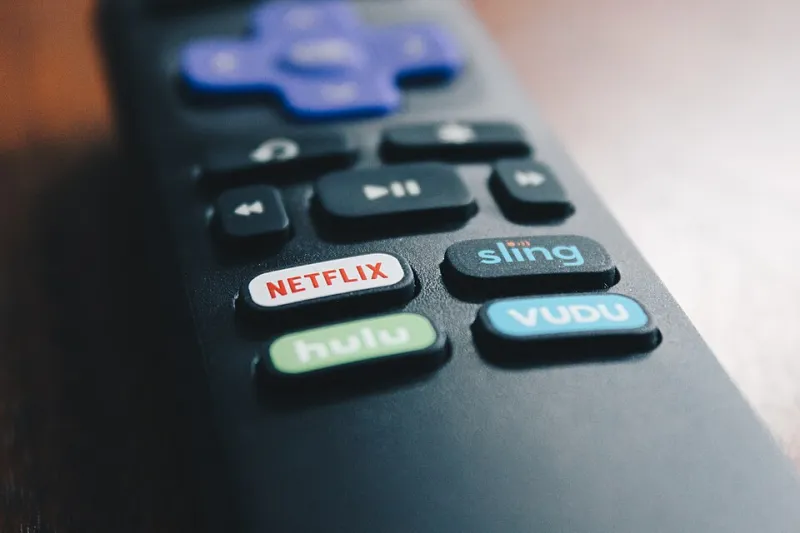
Photo: Pjotr Mahhonin, CC BY-SA 4.0, via Wikimedia Commons
There was a time when a superstar's big move looked like a movie premiere: red carpet, late-night circuit, a press junket in a hotel ballroom. Now the biggest flex in pop is a different kind of release entirely — a concert film, shot on tour, edited like a feature, and beamed straight to your living room.
Beyoncé's Renaissance film, Taylor Swift's record-shattering Eras Tour movie, BTS and BLACKPINK concert specials, the Bruno Mars and Lady Gaga filmed specials — the pattern is impossible to ignore. The concert film isn't a bonus feature anymore. It's the main event.
The Math Is Almost Embarrassing
Start with what a traditional studio movie costs. A mid-budget film runs $70–100 million before a single marketing dollar gets spent, then needs another fortune in ads just to be seen.
Now look at a tour film. The tour already happened. The fans already bought the tickets. The setlist, the choreography, the costumes, the emotional arc — all of it was built and paid for by an entirely separate revenue stream. Filming it costs a fraction of producing a movie, and the marketing writes itself because the artist's own fanbase does the promoting for free.
The Eras Tour concert film famously grossed over $250 million worldwide on a reported production budget south of $15 million. No studio blockbuster touches that return ratio. When the same footage later lands on Disney+ and drives a wave of signups, the ROI gets even sillier.
The Subscription Spike Playbook
Here's where the streaming math gets interesting. Concert films are appointment content — they spike subscriptions in a way most scripted releases don't.
A new drama series releases all at once and gets binged over a weekend. A concert film creates a single, concentrated moment: fans subscribe the week it drops, watch it, maybe rewatch it, and share clips everywhere. K-pop platforms like Weverse have built entire business models on this behavior, with fans subscribing specifically for tour livestreams and exclusive performance cuts.
For a US streamer, one filmed special from a global act can outperform a season of prestige television on pure acquisition numbers. That's why Netflix, Disney+, and Prime Video all came hunting for tour footage.
So Does the Live Show Lose Its Magic?
This is the debate every fan circle has when a tour film drops. If you can watch the whole stadium experience in sweatpants with a frozen pizza, why pay $300 for nosebleed seats?
The short answer from anyone who's been in the room: you can't stream the room. The filmed version captures the spectacle, but not the crowd singing every word, the stranger next to you crying during the bridge, the two-hour wait for merch. Live shows have actually gotten more expensive and more in-demand during the exact era concert films exploded — the two products feed each other. The film markets the tour; the tour sells the film.
Your Watchlist, If You're New to This
If you've slept on the genre, a few easy entry points:
- Taylor Swift: The Eras Tour — the blueprint, and a masterclass in pacing a three-hour show for the screen
- Beyoncé: Renaissance — A Film by Beyoncé — part concert, part documentary, all vision
- BLACKPINK and BTS tour specials — proof the K-pop machine films better than anyone
- Bruno Mars and Lady Gaga specials — old-school showmanship, modern cameras
The concert film started as a souvenir for people who went to the show. It's now a legitimate release format — sometimes the only release format. And honestly? Front row from the couch isn't a compromise anymore. It's a feature.