Your Wallet Is the Real Nielsen Rating: How Merch Drops Became the Renewal Decider
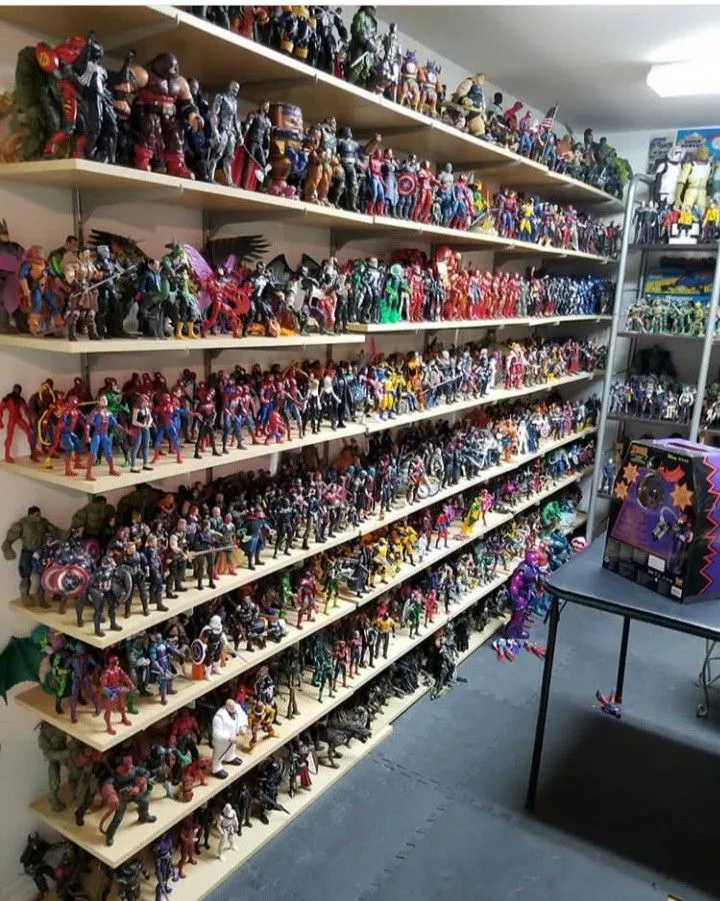
Photo: collector shelves filled with action figures and movie merchandise boxes, via i.pinimg.com
There was a time when a show's fate came down to one thing: did enough people watch it? Simple. Crude. Easy to argue about at the Thanksgiving table. Now? Whether your favorite series lives to see another season might depend on whether a 12-inch collectible figure sells out in eleven minutes on a Tuesday morning.
Welcome to the rental economy of fandom, where your devotion is measured in limited drops and your favorite franchise is, functionally, a subscription service with a plot.
The Spreadsheet Behind the Greenlight
Talk to anyone who's worked near a studio greenlight meeting (or read the increasingly candid interviews from people who have), and a pattern emerges: merchandise projections now sit right next to viewership numbers when renewal decisions get made. A show that streams okay but moves merch like hotcakes is a safer bet than a critics' darling that sells nothing but a T-shirt.
The logic isn't crazy. A subscriber can cancel next month. A person who just dropped $180 on a collector's box is emotionally and financially invested — they're a walking billboard, a renewals advocate, and a repeat customer all in one. Studios figured out that fandom isn't a feeling; it's a revenue line item.
And the revenue is real. The global market for film and TV merchandise sits in the tens of billions annually, and streaming-era franchises have learned to squeeze it harder than ever. When a season ends, the drop begins.
The Collector's Dilemma (a.k.a. FOMO With a Credit Card)
I talked with Marcus, a 34-year-old from Columbus who's spent, by his own estimate, "somewhere north of $4,000" on franchise merch over five years — steelbooks, vinyl scores, a shelf of figures he calls "my 401(k) that I can see."
"The limited-edition stuff is the trap," he told me. "They'll announce a run of 3,000 units at 1 p.m. on a Thursday. You either buy in ninety seconds or you pay triple on eBay. So you buy. Every time."
That's not an accident. Artificial scarcity is the business model. Numbered editions, convention exclusives, retailer-specific variants — every mechanic is engineered to convert enthusiasm into urgency. And collectors know it. They resent it. They keep buying anyway, which tells you everything about how well it works.
The dirty secret is that collectors have become an unofficial focus group with receipts. When a niche sci-fi show's Blu-ray box set pre-orders spike, executives notice. When they don't, that's data too — and sometimes it's the quiet death certificate before any official cancellation announcement.
The Shameless Merch Milkings, Ranked
In honor of the hustle, here are the all-time great grinds:
5. The Deluxe Reissue Carousel — The same season, repackaged four times: standard, steelbook, 4K, then "definitive 4K collector's edition" eighteen months later. At this point, buying the first release is just renting it until the real one drops.
4. The Mystery Box Industrial Complex — Pay $50 for a chance at the rare variant. It's loot boxes with a fandom coat of paint, and it's glorious and gross in equal measure.
3. The Collab Everything Era — Energy drinks, makeup palettes, fast-food kids' meals aimed squarely at adults with salaries. Nothing says "prestige television" like a limited-edition milkshake.
2. The Pre-Order Before Renewal Gambit — Merch for seasons that haven't been greenlit, effectively making fans fund the renewal themselves. Bold. Shameless. Effective.
1. The $200 Box With One New Special Feature — Ten minutes of deleted scenes and a booklet, priced like a console. And yes, it sold out. Obviously.
Should We Be Mad?
Here's the uncomfortable part: this isn't purely a grift. Merch money keeps mid-tier genre shows alive that pure viewership math would kill. Franchises that would've been axed in 2005 now survive because they move hoodies and Funko Pops. That's a lifeline, even if it comes with strings.
But when the merch tail wags the content dog, we get shows engineered to be shoppable — designed around iconography and quotable moments rather than, you know, stories. Your favorite character didn't get more screen time because the writers loved them. They got more screen time because their figure pre-sold well.
So the next time a renewal announcement drops, watch the merch store as closely as the trade papers. The shelf, not the screen, is where the real ratings live now.